

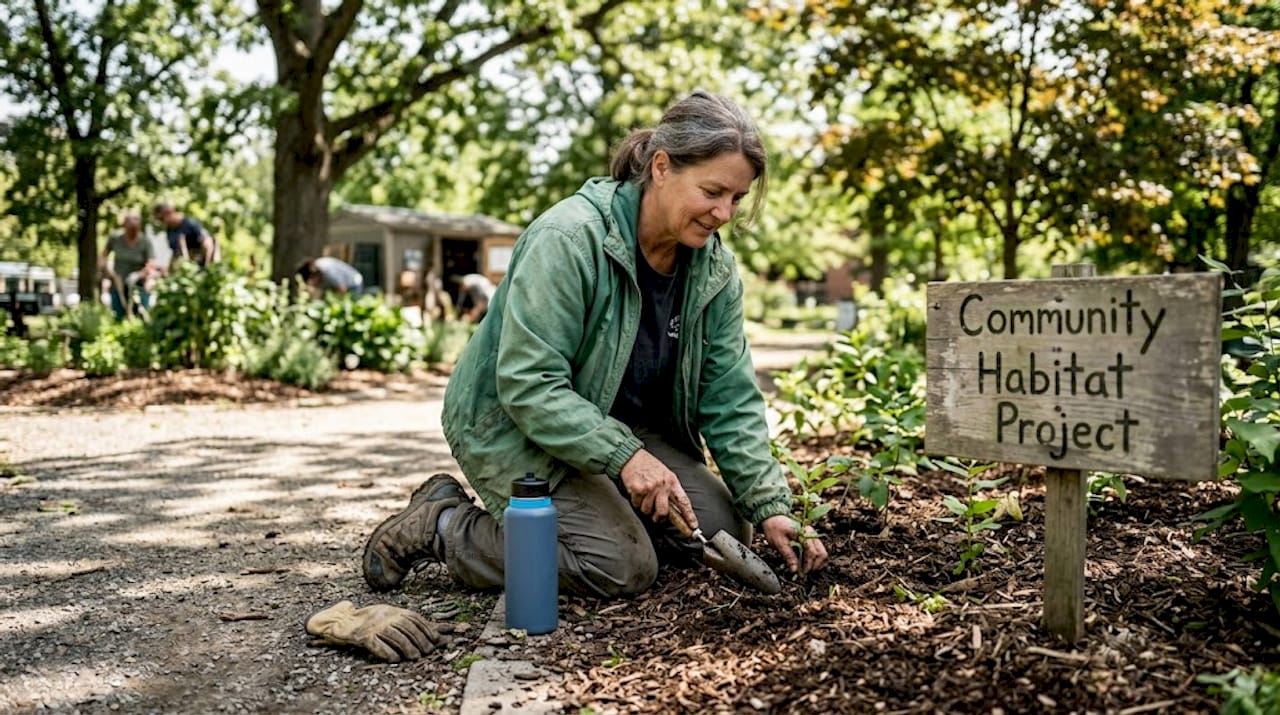
21 Apr Environmental stewardship: principles, practices & real impact
TL;DR:
- Environmental stewardship involves responsible action at individual, community, government, and institutional levels.
- Core principles include responsibility, sustainability, interdependence, inclusion of local knowledge, and precaution.
- Students can make practical impacts through everyday actions like reducing waste and advocating for eco-friendly initiatives.
Many IB ESS students think environmental stewardship means sorting recycling or turning off lights. It is much broader than that. Stewardship covers everything from personal daily habits to large-scale habitat restoration and international policy. Understanding this full scope is not just useful for your assessments. It shapes how you see your role in the world. This guide walks you through the core definition, the principles behind effective stewardship, the main approaches used globally, and practical ways you as a student can apply these ideas in your Internal Assessment and beyond.
Table of Contents
- What is environmental stewardship?
- Principles of environmental stewardship
- Types and approaches to environmental stewardship
- Everyday stewardship: Making an impact as a student
- A real-world perspective: What most students miss about stewardship
- Take the next step in mastering IB ESS
- Frequently asked questions
Key Takeaways
| Point | Details |
|---|---|
| Beyond recycling | Environmental stewardship includes restoration, protection, and policy, not just daily habits. |
| Core principles | Responsibility, sustainability, and interdependence drive effective stewardship in IB ESS contexts. |
| Real-world methods | Methods like rewilding and community management show stewardship in action. |
| Student impact | Your everyday choices and projects can powerfully showcase stewardship for IB assessments. |
What is environmental stewardship?
Environmental stewardship is the responsibility to care for the environment across all scales of action. It is not limited to what you do at home. It includes what communities decide together, what governments legislate, and what businesses choose to prioritize. At its heart, stewardship is about recognizing that humans are not separate from ecosystems but deeply embedded in them.
The ethical dimension here matters a great deal. Stewardship connects directly to sustainability and environmental justice. When we ask who benefits from a healthy environment and who bears the costs of its degradation, we are asking stewardship questions. These are the kinds of questions IB ESS rewards you for engaging with thoughtfully.
“Environmental stewardship spans restoration, protection, and civic action,” and this breadth is exactly what makes it so relevant to your coursework.
Stewardship operates at multiple levels. Here is a quick breakdown:
- Individual level: Reducing single-use plastic consumption, choosing sustainable food, tracking your ecological footprint
- Community level: Organizing local clean-up drives, establishing community gardens, advocating for green spaces
- Government level: Designing conservation policies, funding restoration projects, regulating pollutant emissions
- Institutional level: Corporate sustainability plans, school environmental programs, NGO-led campaigns
Developing strong environmental literacy helps you connect these levels in your written work. When examiners read your responses, they want to see that you understand stewardship as a layered, dynamic concept. Not just a checklist of green behaviors. Think of it as a spectrum of responsibility that everyone participates in, whether they know it or not.
Principles of environmental stewardship
Now that we have a clear definition, let us look at the core principles that guide effective stewardship. These are the foundations IB ESS expects you to understand and apply.
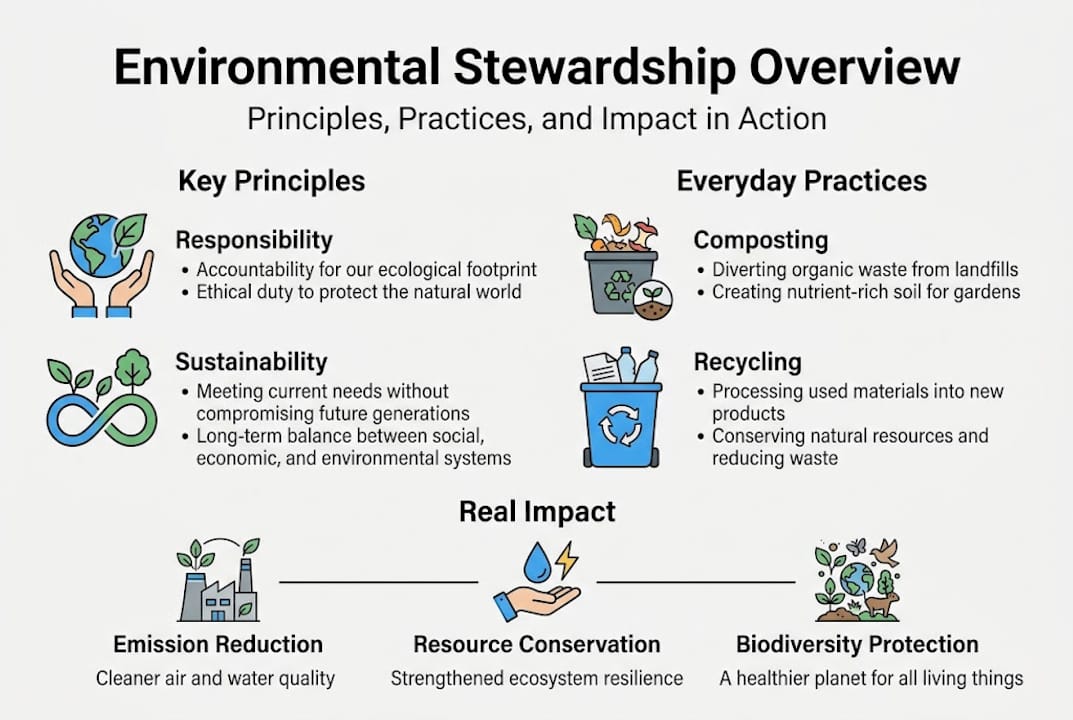
- Responsibility: Every individual, community, and institution has a duty to avoid environmental harm and to actively support ecological health.
- Sustainability: Actions taken today must not compromise the ability of future generations to meet their own needs. This principle sits at the center of ESS and connects to the concept of carrying capacity.
- Interdependence: Ecosystems, societies, and economies are interconnected. A decision made in one region can trigger consequences thousands of miles away. Recognizing this interconnection shapes smarter stewardship decisions.
- Inclusion of traditional and scientific knowledge: Effective stewardship does not rely on one type of expertise. Traditional knowledge and community involvement are essential for stewardship that actually works on the ground.
- Precautionary principle: When scientific evidence is uncertain, stewardship requires erring on the side of caution to prevent potentially irreversible damage.
A key insight for your assessments: stewardship is not one-size-fits-all. Local context always shapes which principles are most relevant. A coastal fishing community applying stewardship looks very different from an urban school reducing its carbon footprint. Both are valid. Both are important.
Studying the benefits of studying environmental systems shows you why these principles matter beyond exam scores. They reflect how real change happens in the world.
Pro Tip: When writing an IB ESS essay on stewardship, always name the principle you are applying and explain why it is relevant to your specific case study. Examiners reward precise connections over general statements.
One striking fact worth noting: approximately 80% of the world’s remaining biodiversity is found in territories managed by indigenous communities, highlighting how traditional knowledge translates directly into measurable conservation outcomes.
Types and approaches to environmental stewardship
Stewardship takes many forms in practice. Understanding the differences between approaches helps you select the most relevant examples for your case studies and Internal Assessments. Let us compare three major methods:
| Approach | Key focus | Who is involved | Example |
|---|---|---|---|
| Ecological restoration | Returning degraded ecosystems to a functional state | Ecologists, landowners, governments | Rewilding at Knepp Estate, UK |
| Protection and conservation | Preventing further damage to intact ecosystems | Governments, NGOs, local communities | Marine protected areas |
| Community-based management | Local communities leading sustainable resource use | Indigenous groups, local stakeholders | Balabac mangrove restoration, Philippines |
Restoration projects like rewilding at Knepp Estate and mangrove restoration in Balabac involve very different stakeholders and strategies, which makes them excellent contrasting examples for IB case study questions.
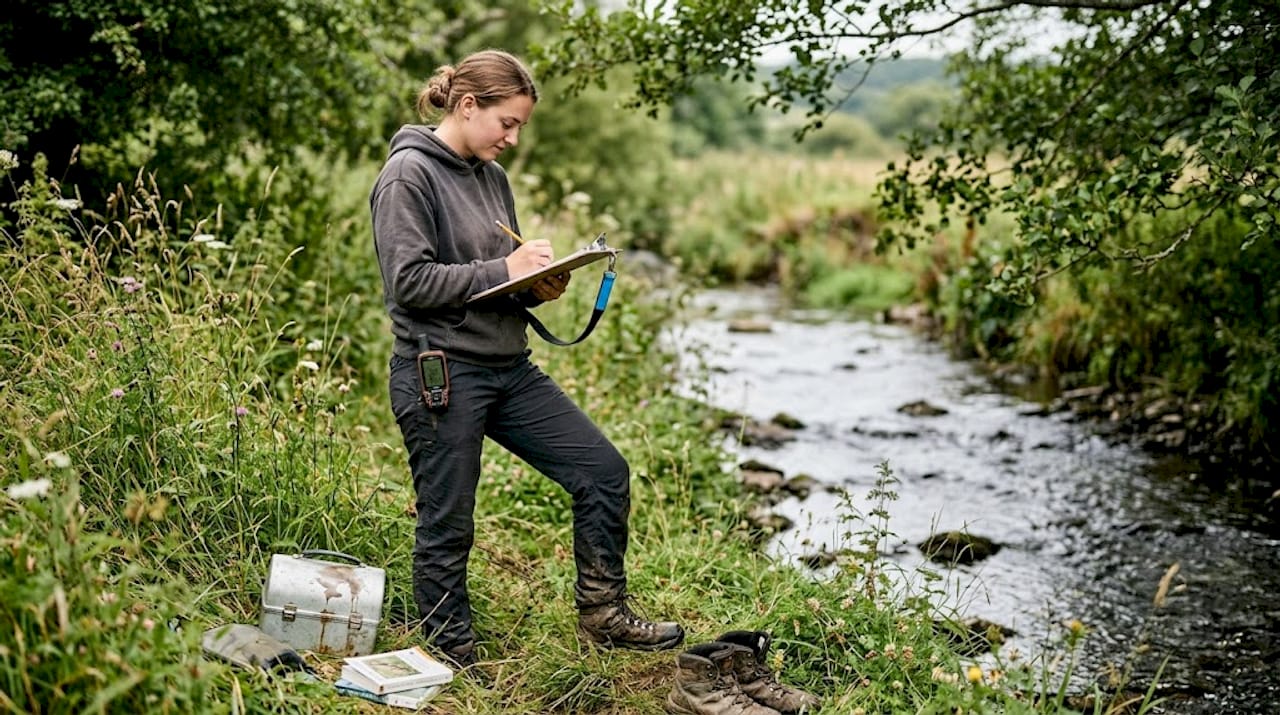
Policy and civic action also play a huge role. Legislation like the EU Nature Restoration Law or national biodiversity strategies creates the conditions for stewardship to scale up. Individual daily choices feed into this larger picture too. When enough people reduce packaging consumption, market demand shifts, which encourages businesses and policymakers to act.
For your Internal Assessment, think carefully about which approach fits your local context. If you are examining a school initiative, community-based management might be the most relevant frame. If you are writing about a national park, protection strategies may apply better. Strong environmental management skills help you analyze these differences clearly.
Pro Tip: Use the comparison table format in your IA when evaluating stewardship approaches. It shows evaluative thinking and earns marks in the analysis criterion. Pair it with specific data from your chosen case study.
You can also explore different biodiversity conservation strategies to see how stewardship approaches overlap with conservation science in your ESS coursework.
Everyday stewardship: Making an impact as a student
Stewardship is not something that only happens in nature reserves or government offices. You can practice it right now, and it can actually strengthen your IB ESS Internal Assessment at the same time.
Everyday activities like composting, recycling, and responsible consumption are direct, measurable forms of stewardship. Here is how common student actions connect to bigger environmental outcomes:
| Student action | Environmental benefit | IA relevance |
|---|---|---|
| Campus composting program | Reduces organic waste going to landfill | Primary data collection on waste diversion |
| Reducing single-use plastics | Lowers plastic pollution in local ecosystems | Tracking consumption data over time |
| Advocating for energy-efficient lighting | Reduces school carbon footprint | Before-and-after energy use comparison |
| Planting native species on school grounds | Supports local species diversity | Biodiversity surveys pre and post planting |
Thinking about key environmental concepts as you design your actions helps you frame your IA research question more precisely. A well-framed question connected to a real stewardship action is one of the strongest starting points for a high-scoring IA.
Here are practical steps to get started:
- Identify a local problem. What environmental issue exists on your campus or in your neighborhood?
- Choose a measurable action. Pick something you can track with data, such as kilograms of waste composted or number of plastic bottles avoided per week.
- Communicate your findings. Share your data with your school community. Stewardship is not just action; it is also advocacy.
- Reflect on your impact. Even small actions contribute to larger systemic change when they are adopted widely.
For inspiration on reducing your material footprint, resources on reducing packaging waste offer practical ideas you can connect to your ESS coursework. The ESS learning approaches also encourage systems thinking, which turns individual actions into evidence of broader understanding.
A real-world perspective: What most students miss about stewardship
Here is something I notice again and again when working with IB ESS students. They understand stewardship at the policy level. They can name international agreements and explain top-down conservation strategies. What they often overlook is the enormous power sitting right in their hands every single day.
Stewardship is not just institutional. It is intensely personal. The students who score highest on their IAs are usually the ones who connect a genuine personal interest to their research question. A student who cares about food waste and designs a composting trial at school produces far more compelling data and analysis than someone who picks a topic because it seems easy.
Local knowledge is another area students underestimate. Your understanding of your own environment, your school grounds, your neighborhood, is a form of expertise. Environmental literacy is not only about knowing global statistics. It is about reading your immediate context with precision and curiosity.
My honest take: the students who treat stewardship as a living practice rather than a textbook chapter tend to write more authentic, higher-scoring work. Start where you are. That is always the right place.
Take the next step in mastering IB ESS
Understanding environmental stewardship at this level gives you a real advantage in your assessments. But knowing the theory is only part of the equation. Applying it confidently in essays, Internal Assessments, and exams is where most students need targeted support.

At esstutor.net, I work with IB ESS students around the world to turn this kind of understanding into real scores. Whether you need help structuring your Internal Assessment, finding the right case studies, or boost your IA score with personalized feedback, I am here to guide you. You can also explore our IB ESS notes and textbook resources to support your self-study between sessions. Book a trial lesson and let us build your confidence together.
Frequently asked questions
What is an example of environmental stewardship in IB ESS?
A student-led campus composting project is a great example. It demonstrates local stewardship in action and provides measurable data on composting that works well as the basis for an Internal Assessment.
How does environmental stewardship connect to sustainability?
Stewardship ensures that the actions we take now do not compromise what future generations will need. Ethics and sustainability are both foundational to how stewardship is defined and practiced across scales.
What are key principles of environmental stewardship?
Responsibility, interdependence, sustainability, and inclusion of local knowledge are the core principles. Traditional knowledge and community involvement are especially important for stewardship that produces lasting outcomes.
Can students make a real impact through environmental stewardship?
Absolutely. Individual and group actions like reducing waste and promoting eco-friendly practices create measurable change. Everyday choices contribute to larger systemic shifts when they are tracked, shared, and scaled.
Recommended
- Environmental concepts: your key to IB ESS success
- What is environmental management: IB ESS guide 2026
- Environmental literacy explained: key concepts for IB ESS success
- Environmental indicators explained: IB ESS guide 2026
- 7 Insights on Sustainable Business Cards: What Matters vs. Marketing – BcardsCreation
No Comments