


08 May Leverage student testimonials for IB ESS success
TL;DR:
- Student testimonials provide practical insights into the emotional and strategic aspects of IB ESS exam preparation that official resources often overlook. They help students develop real-world coping strategies, build resilience, and personalize their study routines, thereby enhancing motivation and effectiveness. Trustworthy testimonials are specific, aligned with official guidance, and come from credible sources, serving as valuable supplements to structured, expert-led support.
Most students assume the best study advice comes from textbooks, past papers, or official IB guides. That assumption is understandable, but it overlooks one of the most practical resources available: the real experiences of students who have already sat the exams. Student testimonials offer ground-level insight that no syllabus document can fully replicate. They address the emotional side of studying, the specific moments of confusion, and the small strategy shifts that actually move the needle. If you are preparing for Environmental systems and societies assessments, learning how your peers navigated the same challenges can genuinely change your approach.
Table of Contents
- Why student testimonials matter in IB ESS
- Key lessons from top IB ESS student testimonials
- The power of authenticity: How to spot trustworthy testimonials
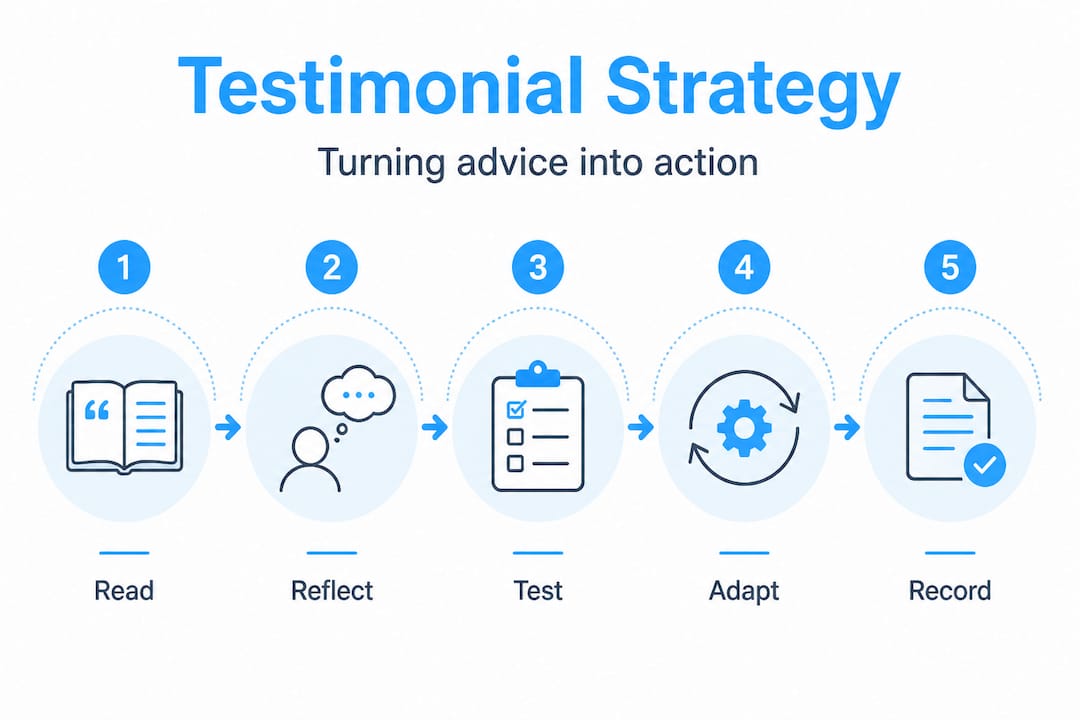
- Turning testimonials into strategy: A step-by-step approach
- A fresh take: Student voices empower real growth (if you listen wisely)
- Level up your IB ESS success with expert tools and support
- Frequently asked questions
Key Takeaways
| Point | Details |
|---|---|
| Testimonials add context | Peer experiences make IB ESS study strategies more relatable and actionable. |
| Balance is crucial | Combine testimonials with trusted resources for the most effective learning. |
| Validate sources | Rely on testimonials from named, credible sources—avoid anonymous advice. |
| Customize your approach | Adapt testimonial strategies to your unique learning style and progress. |
| Professional support matters | Leverage tutoring and academic guidance alongside student stories for best results. |
Why student testimonials matter in IB ESS
Standard resources give you the “what” of IB ESS. Testimonials give you the “how it actually felt and what I did about it.” That difference is significant when you are trying to stay motivated through a demanding syllabus covering everything from ecosystem dynamics to resource management and climate systems.
“Reading about how another student structured their IA after struggling with their research question made me realize I wasn’t behind. It helped me focus on fixing my methodology rather than panicking about time.” — IB ESS student, shared on an educational forum.
This kind of account cannot be replicated in a study guide. Peer experiences offer several specific benefits:
- Real-world coping strategies: Students describe how they handled topic overload, exam nerves, and confusing command terms in ways that feel immediately relevant.
- Reduced isolation: Knowing that other students found biodiversity calculations or evaluating environmental value systems genuinely difficult makes your own struggles feel less personal.
- Contextual application: Testimonials often explain how a student applied official advice, turning abstract guidance into something actionable in a real study routine.
- Motivational proof: Hearing that a student moved from a predicted 4 to a final 6 by changing their revision approach is far more motivating than reading a generic tip about “studying smarter.”
The key is combining these stories with reliable resources. As IBO confirms, testimonials help personalize strategies when used alongside established curriculum materials. Working with a great IB ESS tutor adds another layer, helping you filter peer advice through expert eyes and decide what actually fits your learning profile.
Key lessons from top IB ESS student testimonials
When you read enough student testimonials about IB ESS, clear patterns emerge. The same strategies appear again and again, and the same emotional journeys repeat. Here are the most commonly reported takeaways, distilled into usable lessons.
The top recurring strategies students share
- Active recall over passive re-reading: Nearly every high-scoring student mentions replacing highlighting and re-reading with flashcards, self-testing, or mind maps. For ESS, this means testing yourself on topics like the nitrogen cycle, ENSO events, or soil degradation without looking at your notes first.
- Spaced repetition for case studies: IB ESS requires a wide range of real-world case studies. Students consistently report that spacing out their review of examples, like the Aral Sea, the Amazon deforestation data, or the Maldives and sea-level rise, leads to far better retention during Paper 2.
- Collaborative note-sharing within boundaries: Many students describe sharing structured notes with classmates on specific topics while each person takes ownership of a different section. This builds accountability and fills knowledge gaps faster than solo study.
- Past paper timed practice from early on: Students who started timed practice months before exams, rather than weeks, reported significantly lower exam anxiety. They also became familiar with the exact command terms IB examiners use, like “evaluate,” “discuss,” and “justify.”
- Persistence after setbacks: Multiple testimonials describe students who failed a mock exam or received discouraging feedback on a draft IA and then went on to score a 7. The consistent thread is that they treated failure as diagnostic information, not a final verdict.
| Strategy | What students report | ESS-specific example |
|---|---|---|
| Active recall | Stronger long-term retention | Self-testing on pollution types and their impacts |
| Spaced repetition | Less last-minute cramming | Revisiting climate change case studies weekly |
| Collaborative notes | Faster gap-filling | Dividing ecosystem services topics across study groups |
| Timed past papers | Reduced exam anxiety | Practicing Paper 1 data-based questions under time pressure |
| Treating setbacks as data | Greater resilience | Re-reading examiner reports after a low mock score |
Pro Tip: Do not use testimonials as a sole study guide. As noted in the IBO curriculum overview, peer advice should personalize your strategies, not replace the foundation of official syllabus content and trusted resources. The individualized tutoring benefits that come from working with an expert tutor help you apply testimonial-based insights in a way that is actually calibrated to your specific needs.
The emotional lessons are just as important as the tactical ones. Students who overcame self-doubt often describe a single moment of clarity, a tutor pointing out a strength they had not noticed, a classmate sharing a similar struggle, or a past paper result that finally improved. These small moments, shared honestly in testimonials, remind you that progress in IB ESS is rarely linear but it is always possible. Exploring online IB ESS lessons can give you access to that kind of targeted, consistent support alongside the peer stories you learn from.

The power of authenticity: How to spot trustworthy testimonials
Not every student testimonial you find online is worth following. Some are vague, some are outdated, and some reflect strategies that worked for one learning style but may actively confuse another. Learning to evaluate testimonials is just as important as finding them.
What makes a testimonial trustworthy?
| Feature | Trustworthy testimonial | Untrustworthy testimonial |
|---|---|---|
| Specificity | Mentions particular topics, IA challenges, or exam techniques | Generic praise like “studying more helped me” |
| Named source | Attributed to a real student on an educational site | Anonymous post on a public forum |
| Alignment | Matches strategies endorsed by official or expert sources | Contradicts IB syllabus guidance |
| Outcome detail | Shares actual grade change or improvement area | Claims miraculous results without context |
| Recency | Reflects the current syllabus structure | References older content or outdated assessment formats |
Here are key markers to look for when assessing whether a testimonial is worth your attention:
- Specific challenges mentioned: Reliable testimonials name actual difficulties, like struggling with the systems and models topic in Topic 1, or not understanding how to write a strong IA conclusion.
- Behavioral details: Strong testimonials describe what the student did, not just how they felt. They mention study schedules, resources used, or feedback they acted on.
- Alignment with curriculum guidance: If a testimonial’s advice lines up with what IB examiners actually look for, it carries far more weight than advice that contradicts official marking criteria.
- Source credibility: Testimonials shared on educational platforms, tutor websites, or school-based forums carry more weight than anonymous comments on Reddit or social media.
Pro Tip: Always cross-check advice from any testimonial with your syllabus or a trusted educator. The IBO curriculum page confirms that established sources should take priority. If you are unsure how to evaluate what you find, ESS online tutoring offers a structured way to filter peer-sourced advice through expert guidance. You might also find it useful to explore ESS tutor alternatives to understand what different forms of support look like before committing to a particular approach.
Turning testimonials into strategy: A step-by-step approach
Reading a testimonial is the easy part. Translating what you read into a genuine change in your study behavior is where most students fall short. Here is a practical process you can use right now.
- Select testimonials relevant to your specific challenge: If you are struggling with your IA, look specifically for testimonials about the internal assessment process, not general exam tips. Targeted selection means the advice is far more directly applicable.
- Analyze for actionable details: Identify the concrete behaviors described. Did the student use a specific revision technique? Did they change how they structured their essay answers? Extract the action, not just the outcome.
- Adapt the advice to your learning style: Do not copy a strategy blindly because it worked for someone else. A student who thrives on group study may recommend collaborative note-taking, but if you concentrate better alone, adapt the idea to suit how you actually work.
- Cross-check with official syllabi and trusted educators: Before committing to any approach from a testimonial, verify it against IB marking criteria, subject guides, or ask your teacher or tutor for an opinion. This step protects you from wasting time on strategies that do not fit current assessment requirements.
- Track your own progress and iterate: After applying a testimonial-inspired strategy for two to three weeks, evaluate the results honestly. Did your mock scores improve? Did your IA draft get better feedback? If not, adjust. Progress comes from testing and refining, not from finding one perfect method.
This iterative approach is how smart students use peer stories: as starting points for experimentation, not as fixed instructions. The IBO syllabus guidance makes it clear that personalizing your strategy with trusted resources is the most effective path forward. Learning from ESS student mistakes is also a valuable part of this process, since understanding common errors helps you recognize when a testimonial might be leading you in the wrong direction.
Pro Tip: Keep a short study journal. After trying a new approach based on a testimonial, write two or three sentences about what you noticed. Over a month, you will have a clear picture of what is and is not working for you specifically. This is a habit that many top IB ESS students mention in their own testimonials.
A fresh take: Student voices empower real growth (if you listen wisely)
After working with hundreds of IB ESS students over more than 13 years, I have noticed a pattern that rarely gets discussed. Most students fall into one of two groups: those who ignore testimonials entirely because they trust only official resources, and those who chase every “study hack” they find in forums and end up more confused than when they started. Both approaches miss the point.
The students who genuinely benefit from peer testimonials are the ones who treat those stories as evidence to test, not instructions to follow. They read about a classmate who used spaced repetition for ecosystem case studies and then actually tried it for two weeks before deciding whether it worked for them. That is a feedback loop. It takes discipline, but it produces real results.
What I find most valuable about testimonials is what they reveal about mindset. The students who improved from a 4 to a 7 in IB ESS rarely did it through one magical technique. They did it by staying curious about their own learning process, adjusting consistently, and refusing to accept a fixed view of their abilities. Those are habits, and reading about how another student built those habits is one of the most useful things you can do.
My honest advice: read testimonials actively, not passively. Ask yourself whether the student’s situation matches yours. Ask whether their solution actually addresses your specific problem. And always connect what you find to what really works in IB ESS, as confirmed by educators with direct IB examining experience. Peer wisdom is most powerful when it is filtered through critical thinking and supported by structured expertise.
Level up your IB ESS success with expert tools and support
Reading student testimonials can spark real change in how you study, but pairing those insights with structured, expert-led support is what takes your results to the next level.
Whether you are working through a challenging IA, preparing for exams, or trying to get a better handle on Paper 2 essays, having a specialist in your corner makes the process far more focused. At esstutor.net, you will find resources built specifically for IB ESS students, from IB ESS IA tutoring to detailed support for IB ESS Paper 2 preparation. You can also access curated IB ESS notes and textbook materials that complement everything you learn from peer experiences. When peer insights and professional guidance work together, that is where real academic progress happens.
Frequently asked questions
Are student testimonials more helpful than official IB resources?
Testimonials offer real-world context and motivation, but the most reliable information comes from official IB resources and experienced tutors. Use testimonials to enrich your strategy, not replace its foundation.
How can I tell if a testimonial is trustworthy?
Look for testimonials that give specific details, describe actual behaviors, and align with advice from respected educational sources. Vague claims or anonymous forum posts carry far less weight than named accounts from credible platforms.
Can following testimonials improve my IB ESS exam scores?
Yes, if you integrate advice from credible testimonials with proven study techniques and official resources. The key is testing and adapting the advice rather than copying it blindly.
What are the risks of relying solely on online forums for study tips?
Online forums can spread unreliable or outdated advice that does not reflect the current IB ESS syllabus. Always balance any forum feedback with current, authority-endorsed methods and expert input.
How do tutors use student feedback to improve ESS teaching?
Tutors regularly analyze student feedback and testimonials to identify recurring challenges and refine the strategies they teach. This helps them address the specific gaps and misconceptions that show up most often across different student groups.
Recommended
- IB ESS IA examples: A Guide to Success – ESS
- Top ESS Lessons for IB Students: Boost Exam Scores
- Boost your IB ESS essay scores: writing tips that work
- Top ESS learning resources for IB exam success in 2026
- Why sharing success stories fuels growth and wellbeing
No Comments