


14 Mar What is environmental analysis? A guide for IB ESS 2026
Many IB Environmental Systems and Societies students struggle with environmental analysis, often confusing it with simple data collection or scientific observation. Environmental analysis in IB ESS goes far deeper, requiring you to examine environmental issues through distinct value systems that shape how problems are framed and solutions proposed. This guide clarifies what environmental analysis truly means, explores the three recognized value systems that inform it, and shows you practical strategies to apply these concepts in your internal assessments, extended essays, and exams. You’ll learn how to think critically about environmental challenges and demonstrate the analytical depth examiners expect.
Table of Contents
- Understanding Environmental Analysis In Ib Ess
- Key Perspectives Shaping Environmental Analysis
- Applying Environmental Analysis In Ib Ess Coursework And Assessments
- Common Challenges And Strategies For Mastering Environmental Analysis
- Get Expert Support For Excelling In Environmental Analysis
- Frequently Asked Questions
Key takeaways
| Point | Details |
|---|---|
| Environmental analysis examines issues through value systems | Understanding anthropocentric, ecocentric, and technocentric perspectives is essential for IB ESS success. |
| Different perspectives lead to different solutions | Each value system prioritizes distinct interests, shaping how environmental problems are addressed. |
| Critical thinking drives assessment performance | Applying environmental analysis correctly improves marks in exams, internal assessments, and extended essays. |
| Practice with real case studies builds mastery | Linking theoretical perspectives to actual environmental issues deepens understanding and exam readiness. |
Understanding environmental analysis in IB ESS
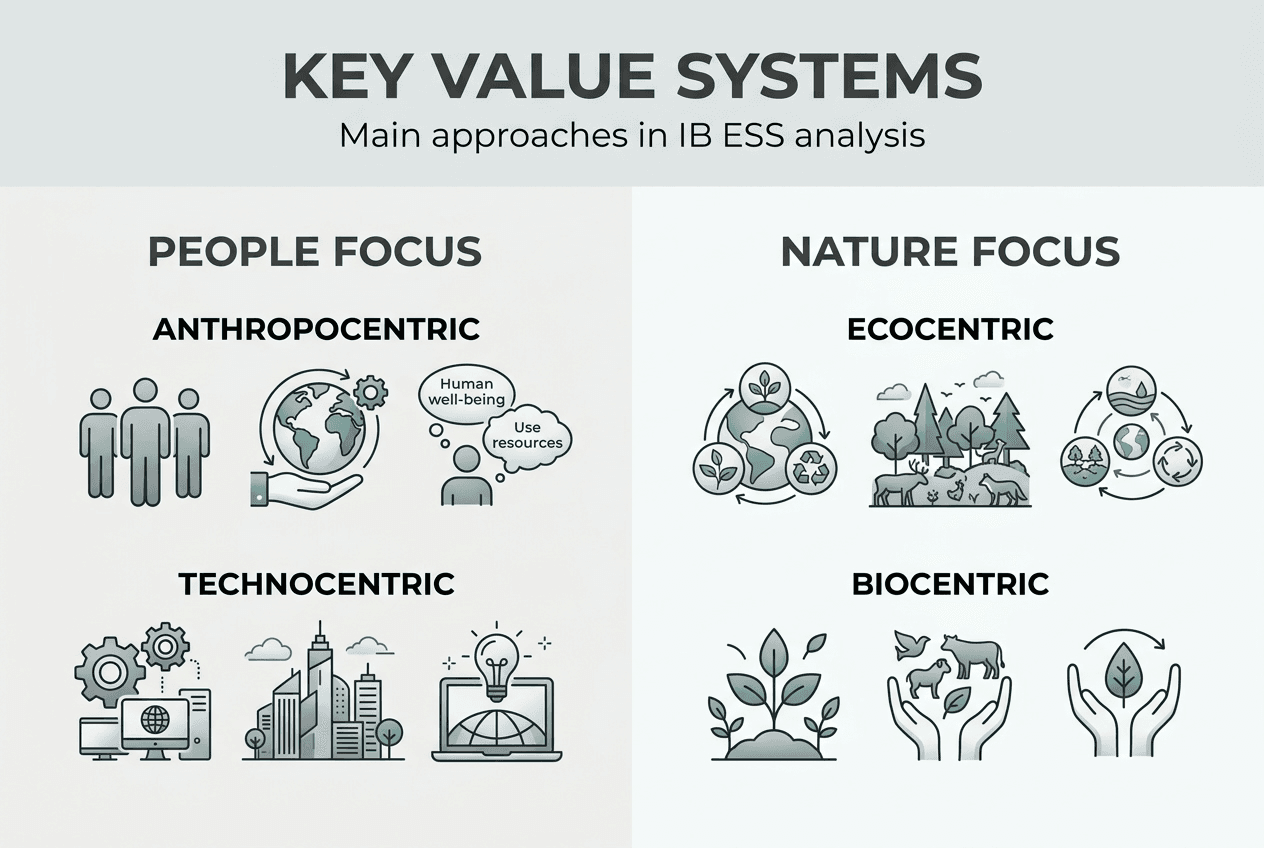
Environmental analysis is the systematic assessment of environmental components, human impacts, and the value systems that shape how we interpret and respond to environmental challenges. Unlike simple data gathering, it requires you to evaluate environmental issues through different philosophical lenses that prioritize competing interests. In IB ESS, three broad categories of perspectives are recognized: anthropocentric, ecocentric, and technocentric. Each perspective influences how environmental problems are understood and what solutions are considered appropriate or effective.
These value systems aren’t just academic concepts. They directly affect real-world environmental policy, conservation strategies, and resource management decisions. An anthropocentric view centers human needs and benefits, often justifying resource exploitation if it serves human welfare. An ecocentric perspective prioritizes ecological integrity and biodiversity, sometimes advocating for restrictions on human activity to protect ecosystems. A technocentric approach trusts technological innovation and human ingenuity to solve environmental problems without fundamentally changing consumption patterns or economic systems.
Mastering environmental analysis is crucial for several reasons. First, it demonstrates conceptual clarity, showing examiners you understand the theoretical frameworks underpinning IB ESS. Second, it enables application, allowing you to analyze case studies and real-world scenarios with depth and nuance. Third, it develops critical thinking, a skill assessed throughout the IB ESS course in papers, internal assessments, and extended essays. When you can identify which value system informs a particular environmental policy or conservation approach, you show sophisticated understanding that earns higher marks.
Pro Tip: Relate environmental analysis to real-life case studies you encounter in class or current events. Identifying the value systems behind actual environmental decisions makes abstract concepts concrete and provides powerful examples for exam responses and your environmental systems and societies extended essay.
Key perspectives shaping environmental analysis
The three value systems recognized in IB ESS provide distinct lenses for environmental analysis. An anthropocentric perspective places humans at the center of environmental consideration, viewing nature primarily as a resource for human use and benefit. This worldview often supports economic development, resource extraction, and technological solutions that maintain or improve human living standards. Policies rooted in anthropocentrism might prioritize job creation in resource industries or focus on sustainable yield rather than ecosystem preservation.
An ecocentric perspective shifts focus to ecological systems themselves, recognizing intrinsic value in nature independent of human utility. This viewpoint emphasizes biodiversity conservation, ecosystem health, and the rights of non-human species. Ecocentric policies often advocate for protected areas, restrictions on development, and precautionary approaches to environmental management. This perspective challenges the assumption that human needs automatically take precedence over ecological integrity.
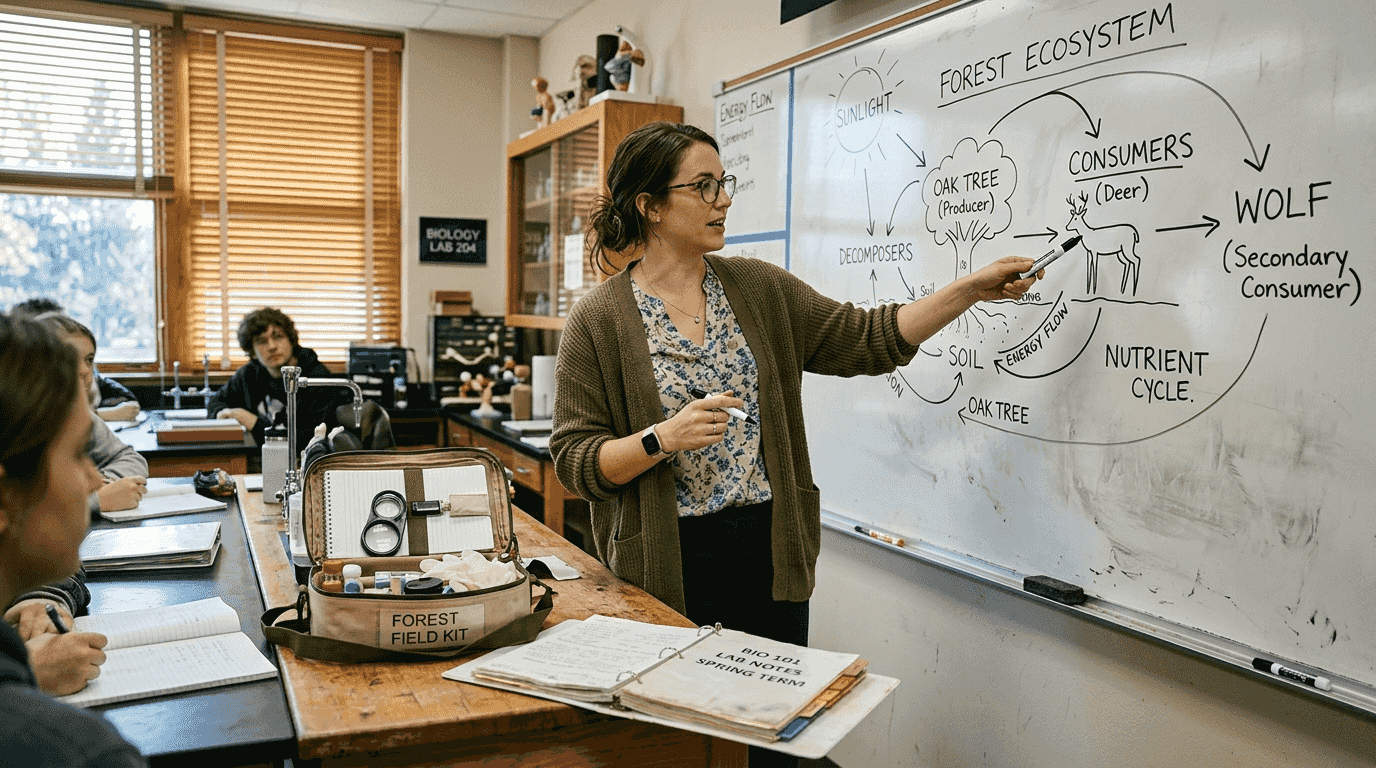
A technocentric perspective trusts human innovation and technology to solve environmental problems without requiring fundamental changes to economic systems or consumption patterns. This view is optimistic about scientific progress and market mechanisms, believing technological advancement can decouple economic growth from environmental degradation. Technocentric solutions include carbon capture technology, genetic modification for crop resilience, and geoengineering proposals to address climate change.
| Perspective | Core Belief | Priority | Example Policy |
| — | — | — |
| Anthropocentric | Humans are central to environmental consideration | Human welfare and economic development | Sustainable forestry for timber industry jobs |
| Ecocentric | Nature has intrinsic value independent of human use | Ecosystem health and biodiversity | Wilderness protection with minimal human access |
| Technocentric | Technology solves environmental problems | Innovation and market solutions | Carbon capture to continue fossil fuel use |
These perspectives lead to dramatically different environmental analysis outcomes and policy recommendations. A forest conservation debate illustrates this clearly. An anthropocentric analysis might support selective logging to provide jobs and timber while maintaining forest cover. An ecocentric analysis would prioritize old-growth preservation for biodiversity and ecosystem services. A technocentric analysis might propose intensive plantation forestry using genetically modified trees to maximize timber production on minimal land.
When analyzing IB exam questions or case studies, identify signals that reveal underlying value systems. Look for language emphasizing human benefits, economic costs, technological solutions, ecosystem integrity, or species rights. Recognizing these markers helps you construct sophisticated responses that demonstrate deep understanding of how different stakeholders view environmental issues.
Pro Tip: When writing essays or assessments, explicitly state the perspective you adopt or analyze. Phrases like “from an ecocentric viewpoint” or “this policy reflects anthropocentric priorities” signal to examiners that you understand value systems and can apply them analytically. This clarity often distinguishes high-scoring responses from mediocre ones, especially in your IB ESS transdisciplinary work and effective ESS internal assessment.
Applying environmental analysis in IB ESS coursework and assessments
Incorporating environmental analysis into your Internal Assessment requires systematic application of value system concepts. Follow these steps:
- Select a research question that allows comparison of different value perspectives on an environmental issue.
- Identify which value systems are represented in your data sources, stakeholder interviews, or policy documents.
- Analyze how each perspective shapes problem definition, proposed solutions, and success criteria.
- Evaluate the strengths and limitations of each approach in your specific context.
- Synthesize your findings to demonstrate critical thinking about competing environmental values.
This structured approach ensures your analysis goes beyond description to genuine evaluation, a key criterion in IA marking.
Environmental analysis concepts
Common pitfalls to avoid when applying environmental analysis concepts include:
- Treating value systems as mutually exclusive rather than recognizing that real policies often blend perspectives
- Failing to link theoretical perspectives to specific evidence from your research or case study
- Using value system labels without explaining how they actually influence environmental decision making
- Ignoring the cultural, economic, and political contexts that shape which perspectives dominate in different settings
- Oversimplifying complex environmental issues into single-perspective explanations
Your essays and projects should include specific analysis elements that demonstrate sophisticated environmental thinking. This table summarizes what examiners look for:
| Analysis Element | What to Include | Why It Matters |
|---|---|---|
| Perspective identification | Name the value system and cite evidence | Shows you recognize underlying assumptions |
| Impact evaluation | Assess environmental, social, economic effects | Demonstrates systems thinking |
| Stakeholder analysis | Identify who benefits and who bears costs | Reveals equity and justice dimensions |
| Solution assessment | Evaluate proposed approaches from multiple perspectives | Shows critical thinking beyond single viewpoint |
| Sustainability consideration | Analyze long-term viability and trade-offs | Connects to core IB ESS principles |
Critical thinking in environmental analysis means questioning assumptions, recognizing complexity, and acknowledging uncertainty. Don’t present environmental issues as having obvious right answers. Instead, explore how different value systems lead reasonable people to different conclusions. This nuanced approach demonstrates the analytical sophistication examiners reward.
Linking environmental systems concepts strengthens your analysis. Connect value perspectives to topics like carrying capacity, ecological footprints, resilience, and sustainability. For example, an anthropocentric view might accept exceeding local carrying capacity if technology can import resources, while an ecocentric view would prioritize living within local ecological limits.
Pro Tip: Use past internal assessment examples and mark schemes to guide your environmental analysis approach. Seeing how high-scoring students structure their analysis and integrate value systems provides concrete models for your own work. Pay special attention to how top assessments balance description with evaluation and link theoretical perspectives to specific evidence. This review process is equally valuable for your environmental extended essay and IB ESS exam preparation.
Common challenges and strategies for mastering environmental analysis
IB ESS students typically face several conceptual and application challenges when learning environmental analysis. Confusion between perspectives is common, especially distinguishing technocentric from anthropocentric views since both can prioritize human welfare. Difficulty analyzing complex systems arises when environmental issues involve multiple stakeholders with competing interests and no clear optimal solution. Vague argumentation happens when students use value system labels without explaining how these perspectives actually shape environmental decision making or policy outcomes.
Effective strategies to overcome these challenges include:
- Actively link each value perspective to specific case studies from your coursework, making abstract concepts concrete through real examples
- Practice writing clear analysis using scholarly frameworks, explicitly stating which perspective you’re applying and what evidence supports your interpretation
- Seek feedback from tutors on draft assessments to identify where your analysis lacks depth or clarity before final submission
- Create comparison charts for case studies, mapping how different stakeholders approach the same issue from distinct value systems
- Review examiner reports to understand what distinguishes excellent environmental analysis from superficial description
Consistent practice
Consistent practice with examples and tutor guidance improves both competence and confidence. Environmental analysis is a skill that develops through repeated application, not just theoretical study. Each case study you analyze, each practice question you answer, and each draft you revise strengthens your ability to recognize value systems and evaluate their implications. This iterative process is essential because environmental analysis requires judgment and interpretation, not just memorization of definitions.
Expert educators emphasize that environmental analysis skills extend far beyond IB ESS exams. As one experienced IB examiner notes, “The ability to recognize and evaluate different value perspectives on environmental issues is crucial not just for IB ESS success, but for lifelong environmental literacy. Students who master this skill become more informed citizens capable of critically evaluating environmental claims, policies, and proposed solutions in a world facing urgent ecological challenges.”
Environmental analysis
This broader perspective should motivate your engagement with environmental analysis. You’re not just learning content for exams. You’re developing critical thinking tools that help you navigate environmental debates in university, careers, and civic life. The value systems you study in IB ESS appear constantly in real-world environmental conflicts, from climate policy to conservation priorities to sustainable development debates.
Pro Tip: Avoid common pitfalls like ignoring contrasting perspectives or oversimplifying environmental issues into good versus bad framings. Strong environmental analysis acknowledges legitimate competing values and explores trade-offs rather than assuming one perspective is obviously correct. This nuanced approach demonstrates the sophisticated thinking examiners reward and prepares you for the complex environmental decisions you’ll encounter beyond IB. Resources like succeed in IB ESS tips and guidance on common ESS student mistakes can accelerate your mastery of environmental analysis.
Get expert support for excelling in environmental analysis
Mastering environmental analysis requires practice, feedback, and strategic guidance tailored to IB ESS assessment criteria. ESStutor.net specializes in helping students like you develop the analytical skills examiners reward in internal assessments, extended essays, and exams. Expert tutoring clarifies how to identify value systems in case studies, structure sophisticated analysis, and avoid common pitfalls that limit marks.

Whether you’re struggling to distinguish anthropocentric from technocentric perspectives or need help applying environmental analysis to your ESS extended essay, personalized support makes a significant difference. Thus, experienced tutors provide targeted feedback on your writing ESS internal assessments and help you develop exam strategies for IB ESS exam preparation. Building these skills early creates confidence and improves your performance across all IB ESS assessments. Don’t wait until assessments are due to seek help. Early intervention prevents conceptual confusion and establishes strong analytical foundations.
Frequently asked questions
What is the primary purpose of environmental analysis in IB ESS?
Environmental analysis helps you understand environmental problems through different value systems for better decision making. It develops critical thinking to analyze and solve environmental issues within IB ESS coursework and assessments. This skill distinguishes sophisticated responses from superficial descriptions.
How do the three value systems affect environmental analysis?
Each value system prioritizes different interests: humans, ecosystems, or technology, which shapes problem framing. This leads to differing recommended environmental policies and solutions depending on the perspective. Recognizing these differences is essential for balanced environmental analysis.
What are some effective strategies for improving environmental analysis skills?
Practice linking environmental value systems to real case studies for context and concrete understanding. Seek feedback and use mark schemes to improve clarity and depth in assessments before final submission. Avoid oversimplifying and always consider multiple perspectives to demonstrate sophisticated thinking.
How can I identify value systems in exam questions?
Look for language emphasizing human benefits, economic costs, technological solutions, ecosystem integrity, or species rights. These signals reveal underlying value perspectives in case studies and policy descriptions. Recognizing these markers helps you construct responses that demonstrate deep analytical understanding.
No Comments